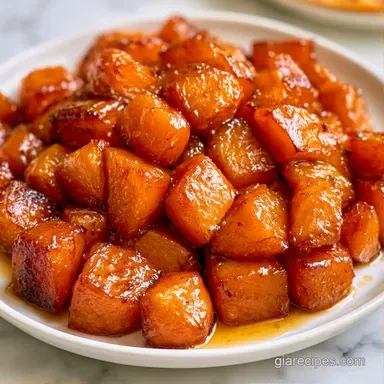
Caramelized Slow Cooker Butternut Squash
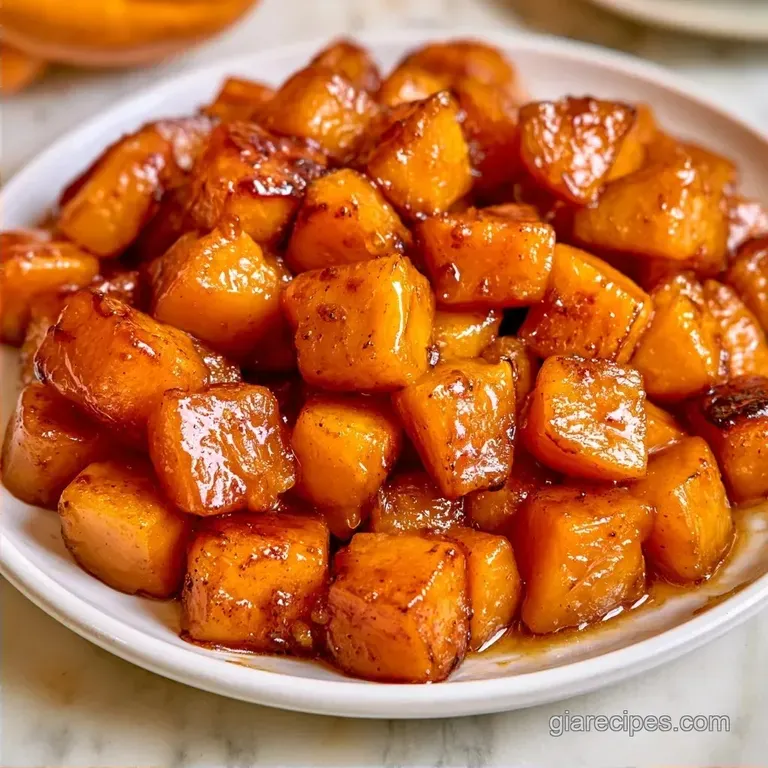
- Time: 20 min active + 4 hours cooking
- Flavor/Texture Hook: Buttery, caramelized, and soft
- Perfect for: Holiday sides, cozy weeknight dinners, or beginner cooks
The smell of cinnamon and maple syrup hitting a hot ceramic pot is the official scent of autumn. For a lot of people in North America, butternut squash isn't just a vegetable, it's a tradition.
It represents the harvest and that transition into the colder months when we all want something warm and comforting on the plate.
Growing up, I saw this dish made a million ways, but the oven roast always felt like a gamble. Either you get those charred edges or the middle stays weirdly firm. I wanted something that felt like a warm hug but didn't require me to baby a roasting pan for an hour.
That's where this Slow Cooker Butternut Squash comes in. It's a hands off approach that gives you a consistent, tender result every time. You just prep the cubes, toss in the flavors, and let the machine do the heavy lifting while you relax.
Why the Slow Cooker Works
Pectin Breakdown: The gentle, steady heat slowly breaks down the pectin in the squash walls. This allows the cubes to soften without turning into a watery mush.
Butter Infusion: Placing the fats on top creates a slow drip. As it melts, the butter and maple syrup coat every cube evenly, creating a thick glaze as the liquid reduces.
DIVTABLE_0
Quick Recipe Specs
Right then, let's look at the basics. This is a reliable side that feeds a crowd. It's a great option if you're already using your slow cooker for a main, like a Simple Slow Cooker Beef Stew, since you can often time them to finish together.
The goal here is a balance of sweet and savory. The lemon juice at the end is the part most people skip, but it's actually the most important bit. It cuts through the richness of the butter and maple syrup so the dish doesn't taste like a dessert.
The Shopping List
Before you start, make sure your squash is firm. If it has soft spots, it'll release too much water in the pot. I prefer using a Y peeler because it's way easier on the hands when you're dealing with the thick skin of a gourd.
| Component | Purpose | Substitute Notes |
|---|---|---|
| Butternut Squash | Main body and sweetness | Kabocha squash: Denser and nuttier |
| Unsalted Butter | Richness and glaze base | Coconut oil: Similar fat, adds slight coconut flavor |
| Maple Syrup | Natural sweetness/color | Honey: Thicker, more floral notes |
| Vegetable Broth | Prevents burning/adds savor | Apple cider: Adds a tart, fruity depth |
Ingredients:
- 3 lbs (1.36 kg) butternut squash, peeled and cubedWhy this? Standard size for a family style side
- 4 tbsp unsalted butter, cubedWhy this? Creates the rich, glossy sauce
- 2 tbsp maple syrupWhy this? Pairs perfectly with cinnamon
- 1/2 tsp kosher saltWhy this? Balances the sweetness
- 1/4 tsp ground cinnamonWhy this? Classic autumn warmth
- 1/4 tsp ground nutmegWhy this? Adds a subtle, earthy depth
- 1/2 cup (120 ml) vegetable brothWhy this? Keeps the squash moist
- 1 tbsp fresh parsley, choppedWhy this? Fresh color and brightness
- 1 tsp lemon juiceWhy this? Acid to balance the fats
DIVTABLE_1
Necessary Kitchen Tools
A simple setup works perfectly for this. I prefer keeping things straightforward. While a slow cooker with a locking lid is a plus, any standard ceramic pot is sufficient.
- Slow cooker (4-6 quart size)
- Y peeler (for the tough skin)
- Large knife and cutting board
- Silicone spatula (to avoid scratching the ceramic)
- Potato masher (for that specific texture)
Cooking Steps
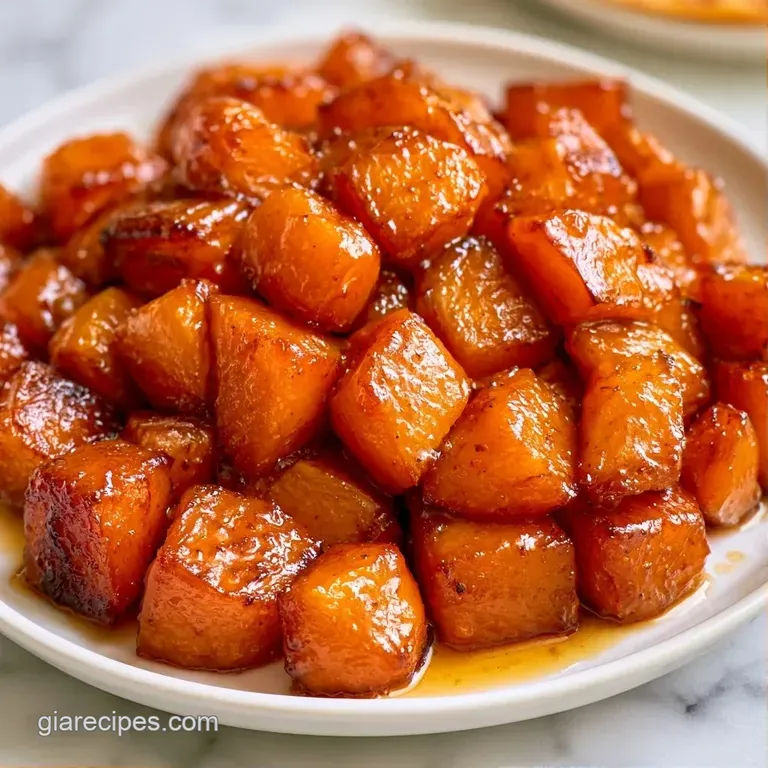
Let's get started. The secret to success here is consistent sizing. If you have a mix of oversized and tiny pieces, you'll end up with some mush and some undercooked squash. Try to keep your cubes around 1 inch.
1. Preparing the Squash
Use a Y peeler to remove the skin of the butternut squash. Cut it in half lengthwise and clear out the seeds with a spoon. Dice the flesh into even 1 inch cubes, then place them directly into the ceramic slow cooker pot.
2. The Slow Simmer Phase
Pour the vegetable broth over the squash. Distribute the cubed butter, maple syrup, salt, cinnamon, and nutmeg evenly on top. Avoid stirring; simply let the ingredients rest on the surface. Cover with the lid and cook on High for 4 hours or Low for 8 hours.
3. The Final Texture Polish
Check the squash until it is fork tender and the liquid has reduced to a glaze. Gently mix the pieces with a silicone spatula. To get a creamier consistency, lightly mash about 20% of the cubes with a potato masher. This releases starch that naturally thickens the sauce.
4. Finishing Touches
Stir in the lemon juice. Garnish with fresh parsley just before serving.
Chef Note: If you're short on time, pre-cut store-bought squash is a great alternative. Just keep in mind they can be more watery, so you may want to use a tablespoon less broth.
DIVTABLE_2
Troubleshooting and Fixes
Even the simplest recipes can run into trouble. The biggest variable is usually the liquid; depending on the brand or whether the squash is pre-cut or frozen, some pieces act like sponges and release more water.
Too Much Liquid
If your pot looks more like a soup than a glaze, you're dealing with excess moisture. This often happens if the squash was especially juicy or if the lid was lifted too many times.
Squash Is Still Firm
If a fork doesn't slide easily into the cubes, your slow cooker might be running a bit cool. Because every model is different, don't hesitate to add another 30-60 minutes.
Flavor Is Too Sweet
The maple syrup can sometimes be too dominant. If it tastes like a dessert rather than a side dish, use lemon juice to balance it. A quick extra squeeze should do the trick.
| Problem | Fix |
|---|---|
| Sauce is too watery | Cook 30 mins on High with the lid off |
| Squash is too hard | Extend cooking time by 45 mins |
| Taste is too sugary | Add 1/2 tsp more lemon juice |
Recipe Variations
One of the things I love about Slow Cooker Butternut Squash is how easy it is to tweak. You can lean into the sweetness or take it in a totally different direction.
For those who want something heartier, this works brilliantly as a base for a Slow Cooker Chicken Breast meal. Just serve the chicken right on top of the glazed squash.
Savory Twists
For a salty kick, swap the maple syrup for 1 tbsp of soy sauce and add a pinch of red pepper flakes. It moves the dish toward a more savory, umami profile that pairs well with roasted meats.
Diet Swaps
If you're avoiding refined sugars, you can use a splash of apple juice instead of maple syrup. It's a bit thinner but still gives you that autumn sweetness. For a dairy-free version, use a high-quality vegan butter or refined coconut oil.
Decision Shortcuts:
- For a thicker glaze: Mash 30% of the cubes instead of 20%.
- For a deeper color: Use dark maple syrup or a pinch of smoked paprika.
- For a tangier finish: Add 1 tsp of apple cider vinegar along with the lemon juice.
Storage and Waste
Make the most of your leftovers. This dish stores wonderfully and frequently improves overnight as the nutmeg and cinnamon flavors meld.
Keep the squash in an airtight vessel in the refrigerator for as long as 4 days. To reheat, use a small saucepan on medium heat. Stir in a small amount of broth or water to thin out the glaze, which may have set due to the starch.
For long term storage, ensure the squash is completely cold. Divide it into freezer friendly bags and store for up to 3 months. Let it defrost in the refrigerator overnight before warming it up.
To reduce waste, save the squash seeds. After cleaning them, toss with salt and a touch of oil, then roast at 325°F (160°C) for roughly 15 minutes for a tasty, crunchy snack.
Serving Suggestions
This dish is a versatile player. Because it's rich and slightly sweet, it needs a partner that is either very savory or very fresh.
I usually serve this alongside a roast pork loin or a Thanksgiving turkey. The acidity from the lemon juice makes it a great contrast to fatty meats. If you're keeping it vegetarian, it's a wonderful addition to a grain bowl with quinoa and roasted chickpeas.
You can also turn this into a quick soup. Just add another cup of broth, blend the whole thing with an immersion blender, and you've got a creamy bisque without adding any heavy cream.
The One Thing That Changes Everything
The most critical part of this method is the "no stir" rule during the cooking process. I used to stir my slow cooker dishes every hour, believing it was helpful. However, stirring the squash too early causes the cubes to break down and prevents the butter from forming that thick, concentrated glaze on top.
By letting the ingredients layer and melt on their own, you achieve a superior texture. The syrup and butter seep down through the cubes, poaching them in a sweet fat; this is what separates a glaze from a stew. Trust the method, keep the lid shut, and let the low heat work its magic.
Recipe FAQs
How to get a velvetier consistency?
Lightly crush about 20% of the cubes using a potato masher after cooking. This incorporates some of the squash into the glaze for a richer texture.
Is it true that I can leave the skin on for slow cooking?
Not true. You must peel the butternut squash with a Y-peeler first to ensure the texture is tender and consistent.
What makes this recipe a budget friendly option?
Low-cost pantry staples. Using simple ingredients like cinnamon, nutmeg, and seasonal squash keeps the total cost very low per serving.
Can this dish be served as a healthy side?
Yes, it is nutrient dense. With only 144 calories per serving and no processed sugars, it is a wholesome addition to any meal.
Why use a slow cooker for butternut squash?
It allows the glaze to reduce slowly. This method ensures the maple syrup and butter infuse deeply into the squash without burning.
Could I use a different protein to turn this into a full meal?
Yes, adding a lean meat works well. If you enjoyed mastering the one-pan technique in our garlic herb chicken, you can sear chicken breasts and serve them alongside this squash.
Which temperature setting is best for timing?
Use High for 4 hours or Low for 8 hours. Ensure the squash is fork tender and the liquid has reduced to a glaze before serving.
Do I need to add more liquid if it is too dry?
Add a small splash of vegetable broth. If the glaze is too thick after reheating, a little extra broth will loosen the consistency.
Slow Cooker Butternut Squash