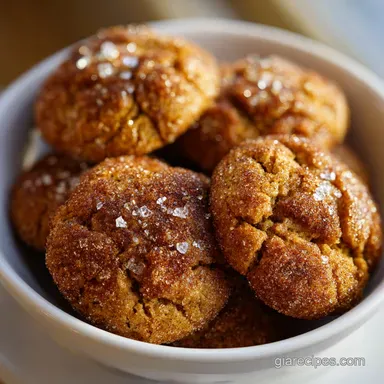
Irresistible German Snickerdoodles: Soft and Chewy
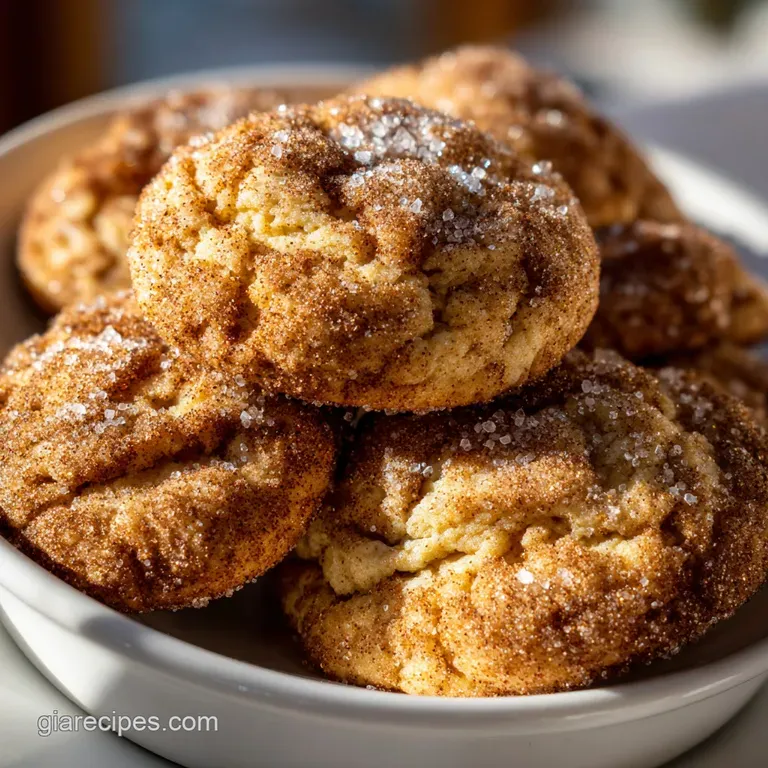
- Time:15 minutes active + 11 minutes baking = Total 26 minutes
- Flavor/Texture Hook: Shatter crisp cinnamon crust with a velvety, chewy center
- Perfect for: Christmas baking, cozy winter gatherings, or a comforting afternoon snack
Bake Irresistible German Snickerdoodles
The aroma of cinnamon and toasted butter hitting a hot oven is a scent that instantly transports me back to my grandmother's kitchen in late December. I remember the way the flour would drift through the air like tiny snowflakes, settling on the wooden countertops while we rolled dough into perfect spheres.
Those afternoons weren't just about the cookies, they were about the slow art of waiting for that first tray to emerge, glowing with a golden hue.
These cookies are a staple of heirloom baking, especially in Mennonite traditions where simplicity and heart are the main ingredients. There is something almost meditative about rolling each ball in cinnamon sugar, watching the pale dough transform into something rustic and textured.
It's a ritual that invites you to slow down and appreciate the process of making something from scratch.
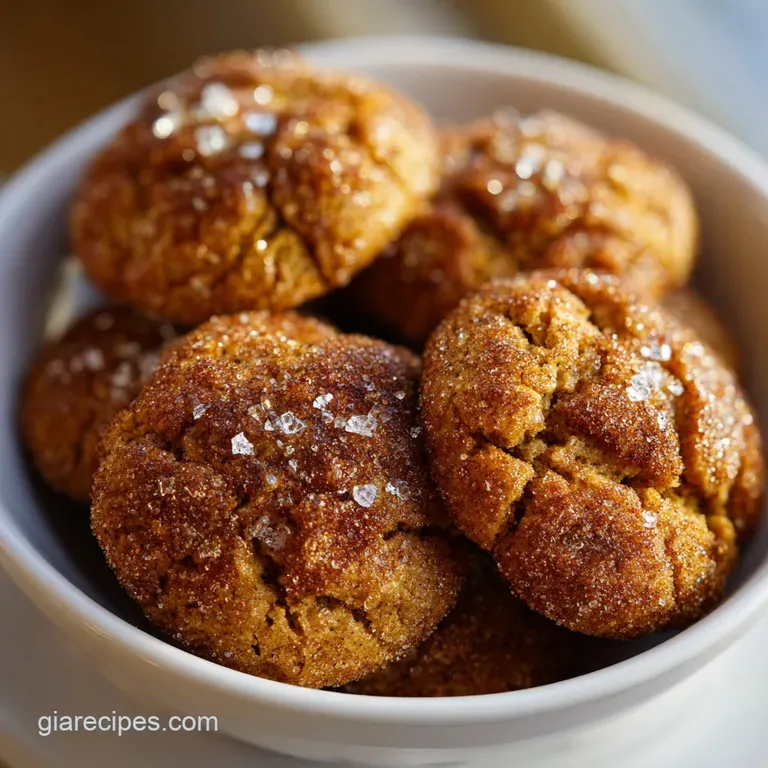
In this recipe, we're aiming for a specific contrast: the edges should have a slight snap, while the center remains soft and almost fudge like. We'll focus on the balance of colors, from the deep crimson of the cinnamon to the creamy ivory of the interior.
Trust me, once you get the temperature right, these become the only cookies you'll want to make during the holidays.
The Magic Behind the Chew
The texture of a snickerdoodle is very different from a standard sugar cookie. It's not just about the cinnamon, it's about the reaction happening inside the oven.
Acidic Lift: Cream of tartar provides the signature tang and prevents sugar from crystallizing, which keeps the center velvety.
Leavening Balance: The baking soda reacts with the cream of tartar to create tiny air pockets, ensuring the cookie doesn't turn into a hard disc.
Fat Distribution: Using softened butter instead of melted butter allows us to trap air during the creaming process, giving the cookie its structure.
Sugar Barrier: The outer coating of cinnamon sugar draws moisture from the surface during baking, creating that thin, shatter like crust.
Serving Size Calculator
Before you start mixing, it's helpful to know how this batch fits your needs. This recipe is designed for a standard home oven and a medium sized baking sheet.
| Servings | Ingredient Adjustments | Pan Size | Cook Time |
|---|---|---|---|
| 12 cookies | Halve all ingredients | 9x13 inch pan | 10-11 minutes |
| 24 cookies | Standard recipe | 12x17 inch pan | 11 minutes |
| 48 cookies | Double ingredients | Two 12x17 pans | 11-12 minutes |
Component Analysis
Not every ingredient is just for flavor. In a bakery style snickerdoodle recipe, every gram serves a technical purpose to ensure the cookie doesn't spread too much or become too cakey.
| Ingredient | Science Role | Pro Secret |
|---|---|---|
| Cream of Tartar | Texture Modifier | Use a fresh tin for the best tang and lift |
| Unsalted Butter | Structural Base | Soften to 65°F for the most stable emulsion |
| Granulated Sugar | Crispness Agent | Don't over cream or the cookies will flatten |
| All Purpose Flour | Gluten Framework | Measure by weight to avoid a dry, crumbly cookie |
The Tool Kit
You don't need a professional kitchen to make these, but a few specific tools make the process much smoother. I usually reach for a sturdy stand mixer, such as a KitchenAid, but a hand mixer works just as well.
A digital kitchen scale is your best friend here. Flour is notoriously easy to over pack into a measuring cup, which leads to a dry cookie. If you're using cups, spoon the flour in and level it off with a knife.
For the baking sheets, parchment paper is non negotiable. It prevents the bottoms from over browning and makes cleanup a breeze. I also recommend a small, shallow bowl for the cinnamon sugar mixture, as it makes rolling the dough balls much faster.
The Assembly Process
Now, let's get into the rhythm of the bake. Remember, the goal is a beautiful color balance: a deep cinnamon crimson on the outside and a warm amber glow on the edges.
Phase 1: Aerating the Butter & Sugar
Start by creaming your 1/2 cup (113g) unsalted butter and 3/4 cup (150g) granulated sugar. Use a medium high speed and keep going until the mixture looks pale and fluffy. This step is where you incorporate the air that gives the cookies their lightness.
Beat in the 1 large egg (approx. 50g) and 1 tsp (5ml) vanilla extract. Mix until the batter is fully emulsified, turning into a smooth, pale yellow cream. If it looks like it's separating, just keep beating for another 30 seconds.
Phase 2: Folding in the Dry Ingredients
In a separate bowl, whisk together 2 3/4 cups (340g) all purpose flour, 2 tsp (6g) cream of tartar, 1 tsp (6g) baking soda, and 1/2 tsp (3g) salt. Whisking ensures the leavening agents are evenly distributed so you don't get random bubbles.
Gradually add these dry ingredients to the wet mixture on low speed. Stop mixing the second the white streaks of flour disappear. Over mixing develops too much gluten, which transforms a tender cookie into a tough one.
Phase 3: The Rolling and Baking Process
Scoop rounded tablespoons of dough and roll them into 1 inch balls. I find that using a small cookie scoop keeps the size consistent, which means they all bake evenly.
Combine 1/4 cup (50g) sugar and 2 tbsp (15g) ground cinnamon in a small bowl. Roll each ball generously in this mixture. You want a thick coat of cinnamon to get that gorgeous, rustic look.
Place the balls on parchment lined sheets, spaced 2 inches apart. Bake at 375°F (190°C) for 10-12 minutes. Remove them when the edges are set and the centers have puffed but still look soft. They'll firm up as they cool on the pan.
Chef's Note: For a more professional look, gently press the tops of the cookies with the palm of your hand just before rolling them in cinnamon sugar. This creates a flatter surface for the cinnamon to cling to.
Fixing Common Errors
Even experienced bakers run into issues. Usually, it comes down to temperature or measurement.
The Flat Cookie Problem
If your cookies spread into thin pancakes, it's almost always because the butter was too soft or the oven wasn't hot enough. When butter is too warm, it melts faster than the flour can set, leading to a loss of height.
The Cakey Texture Issue
When a cookie feels more like a muffin than a treat, you've likely added too much flour. This happens often when measuring by volume instead of weight. The result is a dense, bready cookie that lacks that signature chew.
| Problem | Root Cause | Solution |
|---|---|---|
| Cookies are too flat | Butter was too warm | Chill dough for 30 mins before baking |
| Centers are dry | Too much flour | Use a kitchen scale for precision |
| No cinnamon flavor | Coating was too thin | Roll dough balls twice in cinnamon sugar |
Preventive Checklist
- ✓ Pat your measuring spoons clean between ingredients to avoid cross contamination
- ✓ Ensure butter is "cool room temp" (indents with a finger but doesn't ooze)
- ✓ Preheat your oven for at least 15 minutes to ensure a stable 375°F
- ✓ Let the cookies rest on the hot pan for 5 minutes before moving them
Flavor Shifts
While the classic buttery snickerdoodle recipe is hard to beat, I love experimenting with the cinnamon coating to change the mood of the batch.
| Original Ingredient | Substitute | Why It Works |
|---|---|---|
| Granulated Sugar | Brown Sugar | Adds a molasses depth. Note: Makes cookies chewier and darker |
| Cinnamon | Pumpkin Pie Spice | Adds nutmeg and cloves. Note: Best for autumn baking |
| All Purpose Flour | Almond Flour (1:1) | Adds a nutty flavor. Note: Denser crumb and softer edges |
Decision Shortcut
- If you want a velvety, underbaked center, pull them out at exactly 10 minutes.
- If you want a crispier, golden brown edge, leave them in for 12 minutes.
- If you want a more intense spice, add 1/2 tsp of ground ginger to the dough.
Fast vs Classic Comparison
Sometimes you want a quick treat, other times you want the full experience. Here is how the methods differ.
| Feature | Quick Method (Melted Butter) | Classic Method (Creamed) |
|---|---|---|
| Texture | Chewier, denser | Pillowy, airy |
| Effort | Low (one bowl) | Medium (separate bowls) |
| Appearance | More irregular | Uniform, rounded |
Preservation Methods
To keep these cookies tasting like they just came out of the oven, storage is key. I recommend letting them cool completely on a wire rack first. If you pack them while warm, the residual steam will make the cinnamon crust soggy.
Store them in an airtight container at room temperature for up to 5 days. To maintain the velvety center, place a small piece of white bread in the container; the cookies will absorb the moisture from the bread and stay soft.
For longer storage, these are excellent freezer snickerdoodle cookies. Freeze the rolled, cinnamon coated balls on a tray, then transfer them to a freezer bag. They'll last for 3 months. When you're ready, bake them straight from the freezer, adding 1-2 minutes to the cook time.
To avoid waste, if you have leftover cinnamon sugar coating, don't throw it away. Use it to coat slices of apple or sprinkle it over a homemade porridge the next morning.
Serving Pairings
The best way to enjoy these is with a drink that cuts through the sweetness and buttery richness. I love pairing them with a strong, dark roast coffee or a spicy masala chai. The bitterness of the coffee brings out the warmth of the cinnamon.
For a more festive presentation, serve them on a wooden platter with a few sprigs of fresh rosemary or cinnamon sticks for aroma. The green of the rosemary provides a beautiful contrast to the cinnamon crimson of the cookies.
If you're serving them for a brunch, try pairing them with a bowl of fresh berries. The tartness of raspberries or blueberries balances the sugar, making the dessert feel a bit lighter and more refreshed.
Recipe FAQs
Are snickerdoodles German or American?
They are primarily American. Despite the German-sounding name, they evolved as a North American variation of the classic sugar cookie.
What key ingredient gives snickerdoodles their tangy flavor?
Cream of tartar provides the signature tang. It reacts with the baking soda to create both the distinct acidic flavor and the pillowy texture.
What is the secret to good snickerdoodles?
Balance the cream of tartar and baking soda. This specific combination ensures a soft, chewy center that contrasts perfectly with the crisp cinnamon exterior.
What is the most popular cookie in Germany?
Germany has many favorites, but traditional Lebkuchen is widely loved. While snickerdoodles are popular in some regions, they are not the primary traditional cookie of Germany.
Why did my snickerdoodles spread too much in the oven?
The butter was likely too soft. Use unsalted butter that is softened but still cool to the touch to maintain the cookie's structure during baking.
How to store these cookies to keep them soft?
Place them in an airtight container at room temperature. This prevents the cinnamon-sugar crust from hardening and keeps the center velvety.
Is it true I can just use lemon juice instead of cream of tartar?
No, this is a common misconception. Lemon juice introduces too much moisture and lacks the specific stabilizing properties required to get the correct snickerdoodle texture.
Irresistible German Snickerdoodles in 26 Minutes: Golden