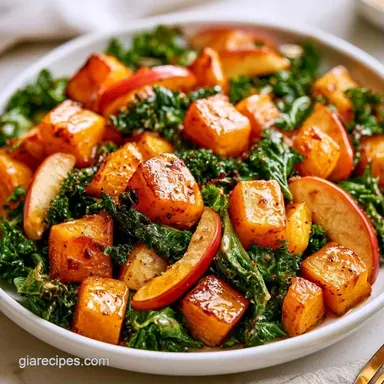
Butternut Squash Fall Salad with Maple-Cider Vinaigrette
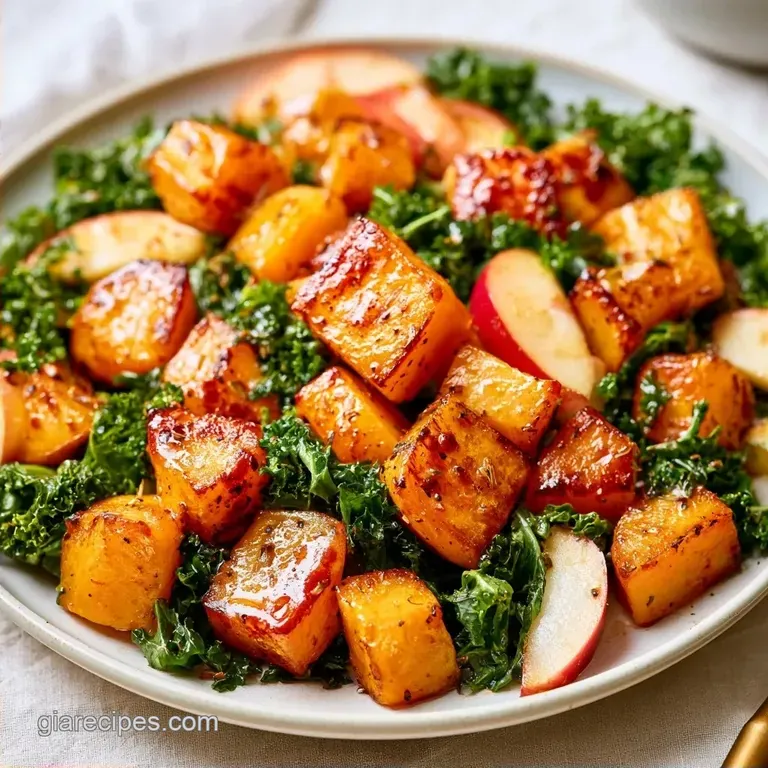
- Time: 10 min active + 30 min roasting
- Flavor/Texture Hook: Caramelized squash and salty feta with a crunch of toasted pepitas
- Perfect for: A satisfying weekday lunch or a vibrant side for dinner parties
Forget the idea that a healthy autumn salad has to taste like lawn clippings. Most people assume that "harvest salads" are just a way to eat raw kale while pretending to enjoy it, or that adding roasted vegetables makes the whole thing a soggy, lukewarm mess.
Trust me, that's only if you're doing it wrong. This Butternut Squash Fall Salad is about contrasting temperatures and textures, making it a high protein, satisfying meal that actually keeps you full.
We're ditching the bland, limp greens of the past. By treating the kale and the squash as two separate components with their own specific prep, the Butternut Squash Fall Salad stays bright and crisp.
Why This Flavor Combo Works
Over High heat Roasting: Cooking at 200°C (400°F) browns the squash quickly. This creates a caramelized exterior while keeping the inside tender, so the pieces don't collapse into mush when tossed.
The Kale Massage: Rubbing the greens with oil and salt breaks down the tough cellular walls. It turns the kale from a stiff, bitter leaf into something tender and more absorbent for the dressing.
Acid Balance: The apple cider vinegar cuts right through the richness of the feta and the sweetness of the maple syrup. This keeps the Butternut Squash Fall Salad from feeling too heavy or cloying.
If you enjoy this mix of roasted veg and tang, you might also like my Parmesan Butternut Squash which uses a similar roasting technique for a different vibe.
Quick Recipe Specs
| Goal | What to change |
|---|---|
| More Protein | Add 150g grilled chicken or chickpeas |
| Lower Sodium | Swap feta for avocado slices |
| Extra Crunch | Add 2 tbsp sliced almonds |
Right then, let's look at the fast vs. classic approach. Most classic salads are assembled raw and wilted. This version uses a "component" approach roasting and massaging to ensure every bite has a distinct texture.
Why These Ingredients Work
| Ingredient | Role | If You Don't Have It |
|---|---|---|
| Butternut Squash | Hearty base and sweetness | Pumpkin or Acorn squash |
| Curly Kale | Nutrient dense structure | Swiss chard or Spinach (skip massage) |
| Feta Cheese | Salty, creamy contrast | Goat cheese or Cotija |
| Pepitas | Nutty crunch and fuel | Sunflower seeds or Walnuts |
Tools You'll Need
Basic kitchen gear is all that's required. A standard baking sheet and a large mixing bowl are the primary essentials. I find a glass jar works best for the vinaigrette since shaking is quicker than whisking.
Chef's Note: Line your baking sheet with parchment paper. This stops the squash from sticking and saves you from ten minutes of scrubbing the pan afterward.
Gathering Your Essentials
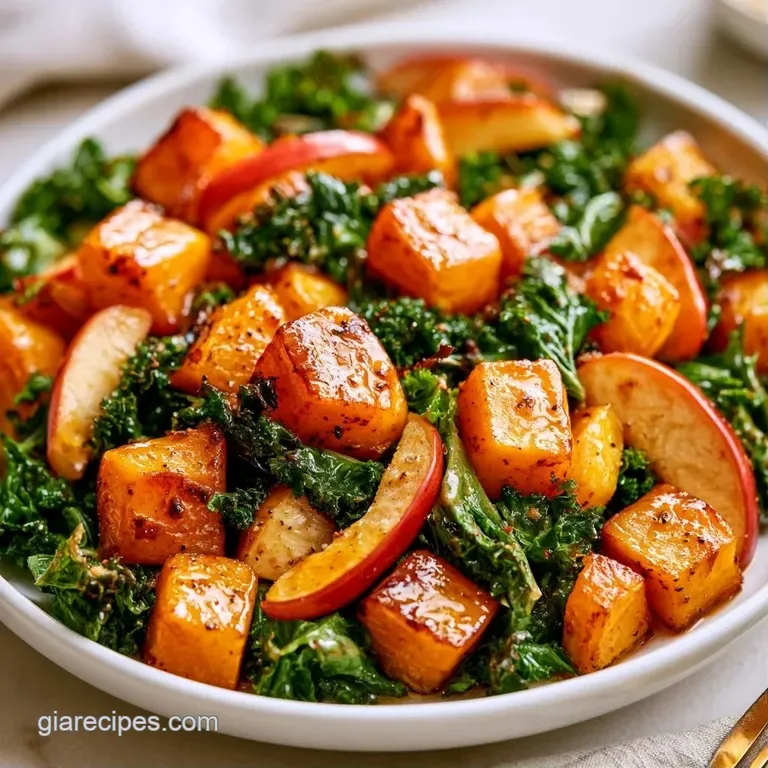
- 450g (1 lb) butternut squash, peeled and cubed into 1.3cm (½-inch) pieces Why this? Uniform size ensures they all brown at the same time
- 15ml (1 tbsp) extra virgin olive oil
- 2.5g (½ tsp) kosher salt
- 1g (¼ tsp) cracked black pepper
- 1L (4 cups) curly kale, stems removed and finely chopped
- 1 large Honeycrisp or Macintosh apple, thinly sliced Why this? These hold their shape and add a sharp snap
- 60g (½ cup) crumbled feta cheese
- 30g (¼ cup) raw pepitas
- 30ml (2 tbsp) extra virgin olive oil (for the kale)
- 45ml (3 tbsp) extra virgin olive oil (for the dressing)
- 30ml (2 tbsp) apple cider vinegar
- 15ml (1 tbsp) pure maple syrup
- 5ml (1 tsp) Dijon mustard
- 1 small clove garlic, minced
- Pinch of salt
- Pinch of pepper
For the apple, I always go with Honeycrisp. Other varieties can get too mealy or sweet, but this one keeps the Butternut Squash Fall Salad feeling fresh.
Key Steps for Assembly
Phase 1: Caramelizing the Squash
- Preheat your oven to 200°C (400°F) and line a baking sheet with parchment paper.
- Toss the cubed butternut squash with 15ml olive oil, salt, and pepper until evenly coated.
- Spread the squash in a single layer. Note: If the pan is crowded, the squash will steam instead of roast.
- Roast for 25-30 minutes, flipping halfway through, until the edges are mahogany colored and the centers are tender.
Phase 2: Prepping the Greens and Crunch
- Place the chopped kale in a large bowl with 30ml olive oil and a pinch of salt.
- Using your hands, squeeze and massage the kale for 2-3 minutes until the leaves look darker and feel soft.
- In a small dry skillet over medium heat, toast the pepitas for 3-5 minutes until they smell nutty and begin to pop.
Phase 3: Whisking the Vinaigrette
- In a small glass jar, combine 45ml olive oil, apple cider vinegar, maple syrup, Dijon mustard, minced garlic, salt, and pepper. Shake until the mixture is smooth and glossy.
Phase 4: The Final Assembly
- Add the roasted squash, sliced apples, and crumbled feta to the massaged kale.
- Drizzle the Maple Cider Vinaigrette over the Butternut Squash Fall Salad, toss gently, and top with toasted pepitas.
How to Fix Common Problems
When the squash comes out of the oven, it should have a distinct roasted aroma. If it smells more like boiled vegetables, you've likely crowded the pan.
Fixing Mushy Squash
This happens if the pieces are too close together or the oven is too cool. The moisture can't evaporate, so the veg boils in its own juice.
Reducing Kale Bitterness
If the kale still tastes sharp, you didn't massage it long enough. Spend another minute squeezing the leaves; the salt and oil literally break down the bitterness.
Preventing Apple Browning
Cut your apples last or toss them in a bit of the dressing immediately. The acidity in the cider vinegar prevents oxidation.
| Problem | Fix |
|---|---|
| Squash is pale | Roast 5 mins longer at 200°C |
| Kale is too tough | Massage for 2 more minutes |
| Dressing separated | Shake the jar again right before pouring |
Presentation Tips
To make this Butternut Squash Fall Salad look like it came from a bistro, don't just dump everything in a bowl. Start with a bed of the massaged kale, then nestle the warm squash and apple slices on top.
Sprinkle the feta and pepitas last so they don't sink to the bottom. The contrast between the deep orange squash and the bright green kale is what makes this dish pop.
If you're serving this as a main, I recommend adding a scoop of quinoa or farro. For something similar but a different grain, try this Couscous Salad for 4 recipe for another great harvest option.
Keeping It Fresh
Store the massaged kale and dressing separately if you're prepping for the week. The roasted squash keeps well in the fridge for 4 days.
Once the Butternut Squash Fall Salad is fully assembled, it stays good for about 24 hours. After that, the apples lose their snap and the kale can get too soft.
Zero Waste Tip: Don't toss the squash peels. Toss them in olive oil and salt, then roast them on the same tray as the cubes. They turn into savory, nutrient dense chips that are a great snack.
Mix It Up
Looking for a dairy-free option? Swap the feta for toasted walnuts or a sprinkle of nutritional yeast. You'll lose the tangy creaminess, but you'll keep the savory depth.
Want a different fruit profile? Pomegranate seeds or dried cranberries work brilliantly here. They add a burst of tartness that complements the Butternut Squash Fall Salad perfectly.
Adding more fuel? This salad is great, but if you need more protein for post workout fuel, add grilled salmon or sliced steak. The maple cider dressing works well with almost any roasted protein.
Prefer different nuts? If pepitas aren't your thing, use slivered almonds or pecans. Just make sure to toast them in a dry pan for 3 minutes first to bring out those oils.
Scaling the Recipe
Scaling Down (½ batch): Use a smaller baking sheet to keep the squash from spreading too thin. Reduce roasting time by about 5 minutes, as a smaller mass of vegetables often heats through faster.
Scaling Up (2x or 4x): Work in batches for the roasting. If you crowd two trays in one oven, the air doesn't circulate, and you'll end up with steamed squash. Only increase the salt and pepper to 1.5x the original amount, as these can easily overpower the dish in larger volumes.
Debunking Common Myths
Myth: Roasting squash destroys all the nutrients. Actually, roasting can make certain fat soluble vitamins in the squash easier for your body to absorb, especially when paired with the olive oil in this Butternut Squash Fall Salad.
Myth: You have to boil kale to make it edible. Not true. Massaging the kale with oil and salt is a far more efficient way to soften the texture while keeping the raw nutrients intact.
Myth: Feta is too salty for a healthy salad. Balance is key. The sweetness of the maple syrup and the acidity of the vinegar neutralize the saltiness of the feta, creating a balanced flavor profile.
Recipe FAQs
Which dressing pairs best with butternut squash?
A Maple Cider Vinaigrette works best. It combines apple cider vinegar, maple syrup, Dijon mustard, and garlic to balance the sweetness of the roasted squash.
Is it true that butternut squash can be eaten raw in a salad?
Not true. The flesh is too dense and starchy to be palatable raw, which is why roasting it at 400°F (200°C) is essential for texture.
How to massage the kale for the best texture?
Squeeze and rub the chopped leaves with olive oil and salt for 2-3 minutes. This breaks down the tough fibers until the leaves feel soft and look darker.
Why should I avoid crowding the baking sheet?
Crowding the pan causes the squash to steam instead of roast. Spreading them in a single layer ensures the edges get that mahogany color and caramelized flavor.
Which cheese substitutions work for this autumn salad?
Feta is the standard for its salty tang. If you enjoy the flavor balance of feta in our roasted beet feta salad, you'll find it pairs perfectly with the sweet squash here.
Can I toast pepitas in a skillet?
Heat them in a dry skillet over medium heat for 3-5 minutes. Stir frequently until they become fragrant and golden brown.
Butternut Squash Fall Salad