Italian Zucchini Sauce: Silky and Savory
- Time:10 minutes prep + 25 minutes cook = 35 minutes total
- Flavor/Texture Hook: Jammy, velvety, and deeply savory
- Perfect for: Use it-or lose-it garden harvests or a cozy weeknight meal
- Making a Rich Italian Zucchini Sauce
- Why Slow Cooking Works Wonders
- Ingredient Deep Dive for Better Sauce
- Fresh Ingredients for Better Flavor
- Tools for a Flawless Sauce
- Steps to Achieve Jammy Perfection
- Preventing Common Kitchen Cooking Errors
- Flavor Ideas to Try Tonight
- Saving and Reheating Your Leftovers
- Best Sides for Zucchini Pasta
- High Sodium
- Recipe FAQs
- 📝 Recipe Card
Making a Rich Italian Zucchini Sauce
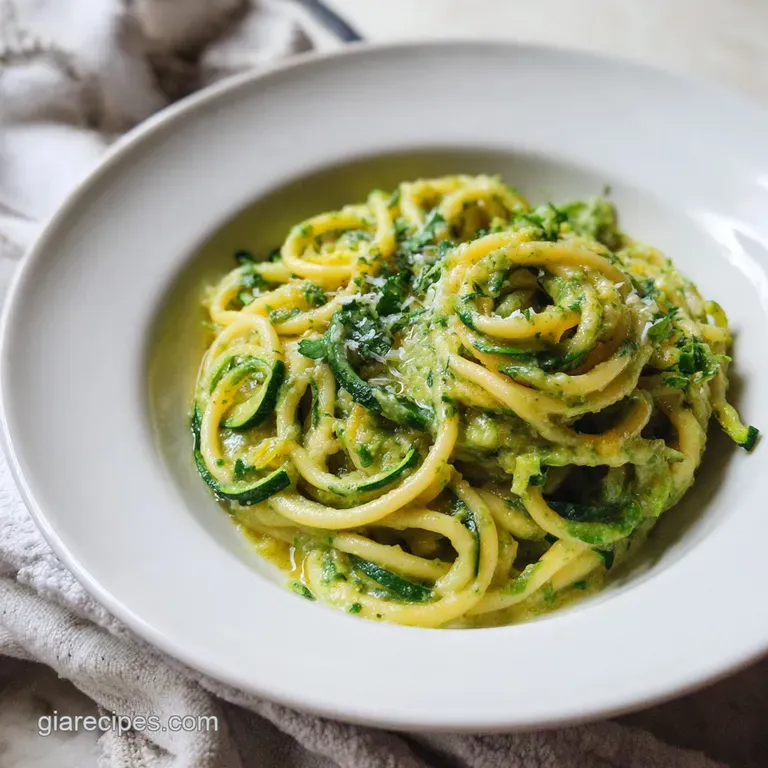
Imagine walking into a kitchen where the air is heavy with the scent of garlic gently softening in golden olive oil. There is no aggressive searing here, just a soft, rhythmic sizzle as thin rounds of zucchini begin to lose their structure.
This isn't a quick sauté where the vegetables stay crisp; we are looking for something much more transformative. We want that zucchini to surrender completely, breaking down into a thick, emerald hued marmalade that tastes like the very essence of summer.
I remember the first time I tried to make a version of this. I cranked the heat way too high, hoping for those charred, caramelized edges. What I got was a pan of burnt garlic and watery squash that sat on top of the pasta like an uninvited guest.
The secret, I finally realized, isn't about power it's about patience. You need to let the zucchini steam in its own juices and then slowly fry in the olive oil until it reaches a consistency that is almost spreadable.
It’s a technique that feels very "old world," like something a grandmother in Campania would stir while the afternoon sun hits the kitchen tiles.
The star of this show is undoubtedly the zucchini itself. While some recipes try to mask its mild flavor with heavy spices, we are leaning into its natural sweetness. By slicing the rounds to a precise 1/8 inch thickness, you ensure they have enough surface area to release moisture but enough body to become jammy rather than just disappearing into a mush.
It’s a delicate balance that turns a budget friendly vegetable into a sauce that rivals any slow cooked ragu.
Why Slow Cooking Works Wonders
Success in this dish comes down to how we manage moisture and fat. It’s not just about heating things up; it’s about a specific sequence of structural changes that happen inside the pan.
- Cellular Breakdown: Low, steady heat weakens the pectin in the zucchini cell walls, allowing them to collapse and release their internal water without browning too quickly.
- Starch Suspension: Reserved pasta water contains amylose molecules that, when shaken with fat, create a physical bridge between the oil and the zucchini juice.
- Flavor Concentration: As the water evaporates during the 25 minutes of cooking, the natural sugars and amino acids in the squash become more concentrated and savory.
- Emulsion Stability: Adding cold butter at the very end drops the temperature just enough to allow the fats to wrap around the starch molecules, creating a velvety finish.
| Method | Time | Texture | Best For |
|---|---|---|---|
| Skillet (Stovetop) | 25 minutes | Ultra jammy and integrated | Deep flavor and creamy finish |
| Roasted (Oven) | 20 minutes | Toasted and slightly chewy | A lighter, chunky vegetable feel |
This comparison shows why the skillet method is the winner for a true sauce. While roasting gives you great color, it doesn't allow the zucchini to "melt" into the liquid components, which is the hallmark of a traditional Italian zucchini sauce.
Ingredient Deep Dive for Better Sauce
The ingredients here are simple, which means their quality has a massive impact on the final bite. We are using 1 kg of zucchini, which might seem like a mountain, but it shrinks significantly as it cooks.
| Ingredient | Science Role | Pro Secret |
|---|---|---|
| Extra Virgin Olive Oil | Acts as the primary flavor carrier and heat conductor. | Use a peppery oil to balance the sweet zucchini. |
| Starchy Pasta Water | The glue that binds the fat and water into a creamy sauce. | Pull the water 2 minutes before the pasta is done. |
| Pecorino Romano | Adds salt and a sharp, sheep's milk tang. | Grate it fine so it melts instantly into the heat. |
| Garlic Cloves | Provides a savory aromatic base. | Slice into "Goodfellas" thin slivers for even melting. |
Using the right oil is non negotiable. Since we aren't cooking at high temperatures, the nuances of a high-quality extra virgin olive oil won't be lost. It provides a luxurious mouthfeel that complements the buttery zucchini. If you're looking for a refreshing side to cut through this richness, a beet feta salad provides a wonderful earthy contrast.
Fresh Ingredients for Better Flavor
To make this recipe, you will need to gather your components. Ensure the zucchini are firm and heavy for their size; avoid the massive, "baseball bat" sized squash as they are often seedy and watery.
- 1 kg zucchini: Sliced into 1/8 inch rounds. Why this? Thin rounds break down faster into a jammy sauce base.
- 340 g dry pasta: Spaghetti or linguine work best. Why this? Long strands provide more surface area for the emerald glaze.
- 60 ml extra virgin olive oil: The foundation of the sauce. Why this? high-quality oil adds a necessary peppery finish.
- 4 large garlic cloves: Thinly sliced. Why this? Slicing prevents the garlic from burning while infusing the oil.
- 60 g Pecorino Romano: Freshly grated. Why this? It provides a sharp, salty kick that Parmesan lacks.
- 15 g unsalted butter: Added at the end. Why this? Helps stabilize the emulsion for a velvety texture.
- 240 ml starchy pasta water: Reserved from the pot. Why this? Essential for turning the oil into a creamy sauce.
- 1 tsp fine sea salt: To draw out moisture.
- 1 handful fresh basil: Torn by hand.
- 0.5 tsp red pepper flakes: For a subtle heat.
- 0.25 tsp black pepper: Freshly cracked.
| Original Ingredient | Substitute | Why It Works |
|---|---|---|
| Pecorino Romano | Parmesan (Parmigiano Reggiano) | Less salty but adds a deeper, nutty umami. |
| Zucchini | Yellow Summer Squash | Same texture, though the color will be golden. |
| Fresh Basil | Fresh Mint | Common in Roman versions; adds a bright, cool finish. |
If you find yourself with extra zucchini, these garden favorites are also excellent when chopped finely for meal prep bowls the next day.
Tools for a Flawless Sauce
You don't need a professional kitchen, but a few specific tools make the process much smoother. A large, heavy bottomed skillet is your best friend here. It holds heat evenly, which is crucial when you're trying to soften a whole kilogram of vegetables without scorching them.
I personally love using a wide enameled cast iron pan or a high-quality stainless steel skillet.
A mandoline slicer is another helpful addition. While you can certainly use a sharp chef's knife, a mandoline ensures every single zucchini round is exactly 1/8 inch thick. This uniformity is the secret to getting a sauce where every piece of squash finishes cooking at the exact same moment.
If you use a mandoline, please use the guard those blades don't discriminate!
Finally, don't underestimate the power of a simple wooden spoon. As the zucchini softens, you’ll use the back of the spoon to gently mash the slices against the bottom of the pan. This manual breakdown is what creates that coveted "jammy" texture that distinguishes this from a standard pasta dish.
Steps to Achieve Jammy Perfection
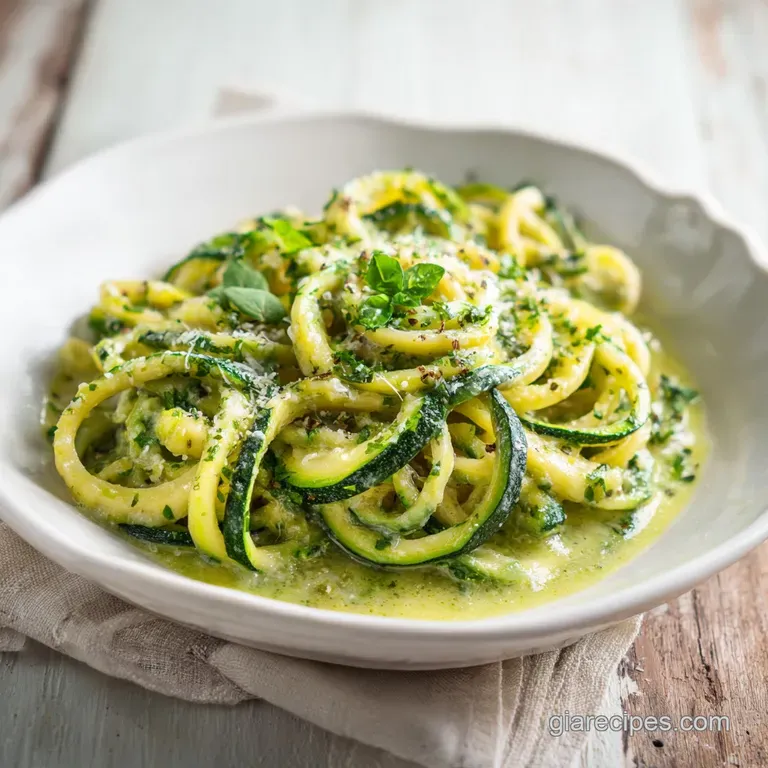
- Prep the base. Place 60 ml extra virgin olive oil and 4 thinly sliced garlic cloves in a cold, large skillet. Note: Starting cold prevents the garlic from browning too fast.
- Infuse the oil. Turn the heat to medium low and wait for the garlic to sizzle and smell nutty.
- Add the squash. Toss in 1 kg of sliced zucchini and 1 tsp sea salt, stirring to coat every round in oil.
- Slow cook the sauce. Cook for 20-25 minutes, stirring every few minutes. Use your spoon to mash the slices as they turn translucent and soft.
- Boil the pasta. While the zucchini jams up, cook 340 g of pasta in salted water until al dente.
- Save the liquid. Before draining, scoop out 240 ml (1 cup) of the cloudy, starchy pasta cooking water.
- Create the emulsion. Pour the reserved water and 15 g unsalted butter into the zucchini skillet. Stir vigorously until it looks glossy and thickened.
- Combine. Toss the drained pasta into the skillet. Add 60 g grated Pecorino and the torn basil.
- Final toss. Keep the pan moving until the noodles are completely coated in a vibrant green glaze.
- Season and serve. Finish with the red pepper flakes and freshly cracked black pepper.
Chef's Tip: If the sauce looks a bit dry after adding the cheese, splash in another tablespoon of pasta water. The cheese absorbs moisture, and you want it to stay silky, not sticky.
Preventing Common Kitchen Cooking Errors
The most common hurdle with this sauce is managing the "wetness." Because zucchini is mostly water, it can sometimes turn your skillet into a soup. The key is giving it enough time to evaporate that moisture while frying it in the oil.
If you rush it, you'll have boiled zucchini; if you wait, you'll have a concentrated confit.
Why Your Sauce Is Watery
If your sauce feels thin and lacks that "creamy" vibe, it usually means the zucchini didn't break down enough or the emulsion broke. This often happens if you don't stir vigorously when adding the pasta water and butter. The mechanical action of stirring is what actually forces the fat and water to bond.
| Problem | Root Cause | Solution |
|---|---|---|
| Burnt Garlic | Heat was too high at the start. | Always start garlic in a cold pan with the oil. |
| Clumpy Cheese | Added cheese to a pan that was too hot. | Remove pan from heat before tossing in the Pecorino. |
| Bland Flavor | Not enough salt or starchy water. | Increase the pasta water and check the salt levels. |
Common Mistakes Checklist
- ✓ Don't peel the zucchini; the skin provides the beautiful emerald color and essential structure.
- ✓ Avoid using high heat; the goal is a gentle melt, not a crispy sear.
- ✓ Never discard all the pasta water before the sauce is fully assembled.
- ✓ Use freshly grated cheese only; pre shredded versions have starches that prevent smooth melting.
- ✓ Salt the zucchini early to help it release its liquid faster.
Flavor Ideas to Try Tonight
While the classic version is hard to beat, this sauce is a fantastic canvas for other flavors. If you want a bit of crunch, try toasted breadcrumbs (pangrattato) on top. Just fry some panko in a little olive oil and garlic until golden and sprinkle it over the finished pasta.
It adds a "shatter" texture that contrasts beautifully with the velvety sauce.
For a brighter, Mediterranean vibe, you can add a tablespoon of capers or some lemon zest at the very end. The acidity of the lemon cuts through the richness of the Pecorino and olive oil perfectly.
If you have someone at the table who insists on meat, some crumbled spicy pancetta or guanciale, rendered down before you add the zucchini, adds a smoky depth that is absolutely brilliant.
If you’re catering to a vegan crowd, simply omit the butter and Pecorino. Replace them with a tablespoon of nutritional yeast and a little more extra virgin olive oil. The jammy zucchini itself is so flavorful that you'll still end up with a satisfying, creamy bowl of pasta.
Saving and Reheating Your Leftovers
This sauce actually keeps remarkably well because the zucchini has been cooked into a stable jam. Store any leftovers in an airtight container in the fridge for up to 3 days. The flavors will continue to meld, often making the leftovers taste even more savory the next day.
When it comes to reheating, the microwave is your enemy. It tends to make the pasta rubbery and can cause the oil to separate from the sauce. Instead, put the leftovers in a small skillet over low heat.
Add a splash of water (or more pasta water if you were smart enough to save extra!) and toss gently until the sauce becomes silky again.
I wouldn't recommend freezing the assembled pasta, as noodles rarely survive the thaw and reheat cycle with their texture intact. However, you can absolutely freeze the zucchini sauce base itself. Just cook the zucchini and garlic as directed, let it cool, and freeze it in a bag for up to 2 months.
When you're ready for dinner, just boil fresh pasta and finish the sauce with the butter and cheese as usual.
Best Sides for Zucchini Pasta
Since this Italian zucchini sauce is quite rich and savory, you'll want side dishes that offer a bit of "snap" or acidity. A simple arugula salad with a sharp lemon vinaigrette is a classic choice. The peppery bite of the greens balances the sweet, mellow flavor of the squash perfectly.
If you want something heartier, a piece of crusty sourdough bread is essential for "scarpetta" the noble Italian tradition of wiping the plate clean of every last drop of sauce. You can even rub the toasted bread with a raw garlic clove for an extra punch of flavor.
Finally,, consider the wine. A crisp, dry white wine like a Vermentino or a Pinot Grigio works wonders here. The acidity in the wine acts like a palate cleanser between bites of the buttery pasta, making every forkful feel as fresh as the first one.
It’s the kind of meal that makes you want to linger at the table just a little bit longer.
High Sodium
851 mg 851 mg (37% 37% of daily value)
The American Heart Association recommends limiting sodium intake to less than 2,300 mg per day, with an ideal limit of less than 1,500 mg per day for most adults.
Tips to Reduce Sodium
-
Halve the Salt-25%
Reduce the 1 tsp of sea salt to 1/2 tsp. This is the most impactful step for immediate sodium reduction.
-
Limit Pecorino Romano-15%
Pecorino Romano is a salty cheese. Try using half the amount (30g), or opt for a lower sodium Parmesan if available.
-
Boost with Fresh Herbs
While this recipe already includes basil, consider adding more fresh basil or other herbs like parsley or chives to enhance flavor without adding sodium.
-
Measure Butter Carefully-5%
Ensure the 15g of unsalted butter is truly unsalted. If using salted butter, this could contribute hidden sodium.
Recipe FAQs
What is the best sauce for zucchini?
A jammy, emulsified sauce is best. By slowly cooking sliced zucchini in olive oil for 25 minutes, it breaks down into a creamy, emerald colored glaze that clings perfectly to pasta.
Is it true that Stanley Tucci's favorite pasta dish is Spaghetti alla Nerano?
Yes, he has publicly identified it as one of his absolute favorites. The dish relies on the specific technique of frying zucchini until it creates a creamy, jam-like texture without the need for cream.
What does Nerano mean in Italian?
Nerano is a small, picturesque fishing village on the Sorrento Peninsula. The famous pasta dish originated there, named specifically for the location where this zucchini based preparation was first popularized.
What is the Italian dish with fried zucchini?
That dish is Spaghetti alla Nerano. It features thin rounds of zucchini slow cooked in olive oil and garlic until they collapse into a sauce, which is then finished with Pecorino Romano and fresh basil.
How to ensure the zucchini sauce becomes creamy without adding dairy cream?
Stir 240ml of reserved starchy pasta water and unsalted butter into the skillet vigorously. This agitation emulsifies the fat and starch, binding the broken down zucchini into a smooth, stable glaze.
Is it necessary to peel the zucchini before slicing?
No, this is a common misconception. You must leave the skin on to maintain the sauce's vibrant emerald color and to provide the structural integrity required for the jammy consistency.
How to prevent the garlic from burning while infusing the oil?
Place the garlic and oil in a cold skillet before turning the heat to medium low. This allows the garlic to heat up gradually with the oil, ensuring it becomes fragrant and nutty rather than burnt.
Italian Zucchini Sauce
Ingredients:
Instructions:
Nutrition Facts:
| Calories | 452 calories |
|---|---|
| Protein | 14.6 g |
| Fat | 22.8 g |
| Carbs | 49.3 g |
| Fiber | 4.6 g |
| Sugar | 6.2 g |
| Sodium | 851 mg |
